
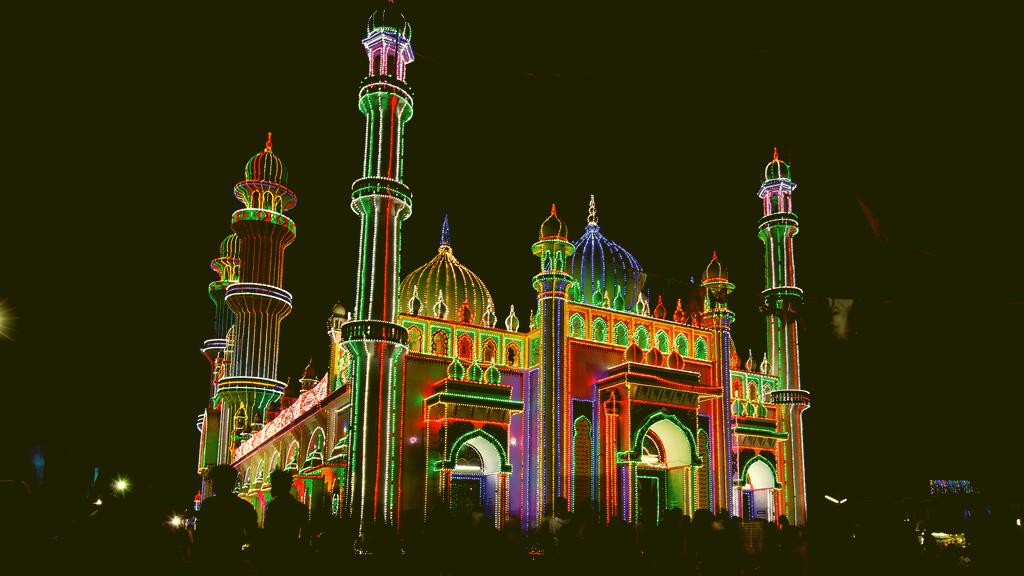
BEEMAPALLY UROOS – CHANDANAKKUDAM MAHOTSAVAM
Beemapally Uroos is one of the prominent religious and cultural festivals associated with Thiruvananthapuram, Kerala. Held at the historic Beemapally Dargah Shareef in Beemapally, near the Arabian Sea coast, the annual festival attracts devotees and visitors from different parts of Kerala and beyond.
Beemapally is a well-known locality within Thiruvananthapuram city and is particularly famous for the Beemapally Dargah Shareef, a revered Muslim pilgrimage centre. The dargah is traditionally associated with Syedunnisa Beema Beevi and her son Syedu Shuhada Maheen Abubacker. Local traditions and devotional accounts remember Beema Beevi as a spiritually revered woman and associate the shrine with stories of faith, devotion and miraculous powers.
What is Beemapally Uroos?
The annual Beemapally Uroos is held in remembrance of Beema Beevi and her son and commemorates their lives and spiritual legacy. The festival is an important religious occasion for devotees and also forms part of the cultural heritage of Thiruvananthapuram.
The festival is popularly associated with the name Chandanakkudam Mahotsavam. During the celebrations, devotees carry decorated earthen pots known as kudams as offerings. These traditional offerings are an important visual and cultural feature of the festival.
The Uroos combines religious observances, traditional rituals, processions and cultural expressions, creating a vibrant atmosphere around the dargah and the surrounding neighbourhood.
Beemapally Dargah Shareef
The Beemapally Dargah Shareef is the centre of the annual Uroos celebrations. The shrine is visited by devotees throughout the year, while the annual festival brings a particularly large gathering to the area.
For devotees, the dargah represents a place of prayer, remembrance and spiritual devotion. For visitors interested in Kerala’s cultural heritage, the shrine also provides an opportunity to learn about the region’s traditions of Islamic pilgrimage and the diverse religious heritage of Thiruvananthapuram.
The Legend of Beema Beevi
According to local religious tradition, Beema Beevi was a spiritually revered woman whose life became closely associated with the history of Beemapally. Her son, Syedu Shuhada Maheen Abubacker, is also commemorated at the shrine.
Stories surrounding Beema Beevi have been passed down through generations and form an important part of the devotional traditions associated with the dargah. These accounts are part of local religious and oral heritage rather than independently documented historical evidence, but they remain central to the spiritual significance of the shrine for devotees.
Chandanakkudam Mahotsavam
One of the distinctive features of Beemapally Uroos is its association with the Chandanakkudam tradition. Devotees bring earthen pots, or kudams, as offerings during the festival. Traditionally, the pots are associated with sandalwood paste, known as chandanam.
The sight of devotees carrying decorated pots during the festival contributes to the distinctive character of the celebrations. The tradition also reflects the importance of devotional offerings in Kerala’s religious culture.
Festival Flag Hoisting
The Uroos traditionally begins with the hoisting of the festival flag, marking the formal commencement of the celebrations. The festival follows the Islamic Hijri calendar, and therefore its corresponding dates in the Gregorian calendar vary from year to year.
The celebrations traditionally continue for several days, with religious observances and associated activities taking place throughout the festival period.
Traditional Art Forms and Cultural Heritage
Beemapally Uroos is also notable for the cultural expressions associated with the celebrations. Visitors may encounter traditional performances and artistic practices connected with the region’s Muslim cultural heritage.
One of the traditional forms associated with the festival is Daharamuttu, a performance involving swords and rhythmic movements. Such traditional art forms provide an important connection between religious celebrations and Kerala’s broader performing-arts traditions.
Visitors should remember that performances and festival activities can vary from year to year, depending on the official programme and local arrangements.
Beemapally Uroos as a Cultural Experience
Although the Uroos is fundamentally a religious observance, it also provides an opportunity to experience the cultural diversity of Thiruvananthapuram. The gathering brings together religious traditions, devotional practices, traditional arts and community celebrations.
The festival is particularly significant in demonstrating the rich cultural character of Kerala, where different communities and traditions have contributed to the state’s distinctive social and cultural landscape.
When is Beemapally Uroos Celebrated?
The festival follows the Islamic Hijri calendar, so the dates change each year when converted to the Gregorian calendar.
The dates recorded in the original version of this page were:
- Start date: 25 December 2022
- End date: 3 January 2023
These dates refer specifically to the 2022–2023 edition and should not be treated as the current festival dates. Travellers planning to attend a future Beemapally Uroos should check the latest official announcement for the relevant year.
What to Expect During Beemapally Uroos
Visitors attending the festival can expect a lively atmosphere around Beemapally, particularly during the major days of the celebrations. Religious observances, devotees carrying offerings and traditional cultural activities contribute to the distinctive character of the event.
The festival can also be an opportunity for photographers and cultural travellers to observe traditional practices, architecture and community life. However, as Beemapally Dargah Shareef is a place of worship, visitors should always respect religious customs and follow any instructions provided by the shrine authorities.
Beemapally Uroos and Thiruvananthapuram Tourism
Beemapally is located within easy reach of several important attractions in Thiruvananthapuram. Travellers can combine a visit to the dargah with sightseeing around the city and nearby coastal areas.
Thiruvananthapuram is known for its palaces, museums, temples, beaches, heritage buildings and cultural institutions. A visit during the Uroos provides an opportunity to experience another important aspect of the city’s cultural heritage.
Things to Know Before Visiting Beemapally Uroos
- Check the festival dates: Uroos dates change according to the Islamic calendar.
- Expect crowds: The festival attracts large numbers of devotees, particularly on important days.
- Dress respectfully: Visitors should wear appropriate clothing when visiting the dargah.
- Follow shrine guidelines: Observe any restrictions regarding photography, entry and movement within the religious premises.
- Respect religious practices: Remember that the festival is primarily a religious observance.
- Plan transportation: Roads around the festival venue may become busy during major celebrations.
- Check current arrangements: Festival programmes, timings and visitor arrangements can change from year to year.
How to Reach Beemapally
By Train
Nearest railway station: Thiruvananthapuram Central Railway Station, approximately 8 km from Beemapally.
From the railway station, visitors can reach Beemapally by taxi, auto-rickshaw or local public transportation.
By Air
Nearest airport: Trivandrum International Airport, approximately 2 km from Beemapally.
The short distance from the airport makes Beemapally particularly convenient for visitors arriving in Thiruvananthapuram by air.
Best Time to Experience Beemapally Uroos
The ideal time to experience the festival is during the official Uroos period, particularly on days when major religious and cultural activities are scheduled. Since the festival follows the Hijri calendar, visitors should check the announced dates for the year of their visit.
If you are planning a trip specifically around the festival, it is advisable to arrange accommodation and transportation in advance because demand can increase during major festival days.
Beemapally – A Significant Cultural Landmark of Kerala
Beemapally Uroos represents an important part of the religious and cultural heritage of Thiruvananthapuram. The festival’s connection with Beema Beevi, the traditions of Chandanakkudam offerings and associated cultural performances have helped preserve a distinctive local heritage.
For travellers exploring Kerala beyond its conventional tourist attractions, Beemapally offers an opportunity to discover the state’s diverse religious traditions and living cultural heritage.
Plan Your Visit to Beemapally Uroos
Whether you are visiting Thiruvananthapuram for its historic monuments, beaches and cultural attractions or specifically travelling to experience Beemapally Uroos, the festival offers a unique insight into one of the city’s long-standing religious traditions.
From the historic dargah and devotional traditions to Chandanakkudam offerings and traditional cultural performances, the Uroos provides visitors with an opportunity to experience the living heritage of Beemapally.
Getting There
Nearest Railway Station: Thiruvananthapuram Central – approximately 8 km
Nearest Airport: Trivandrum International Airport – approximately 2 km