
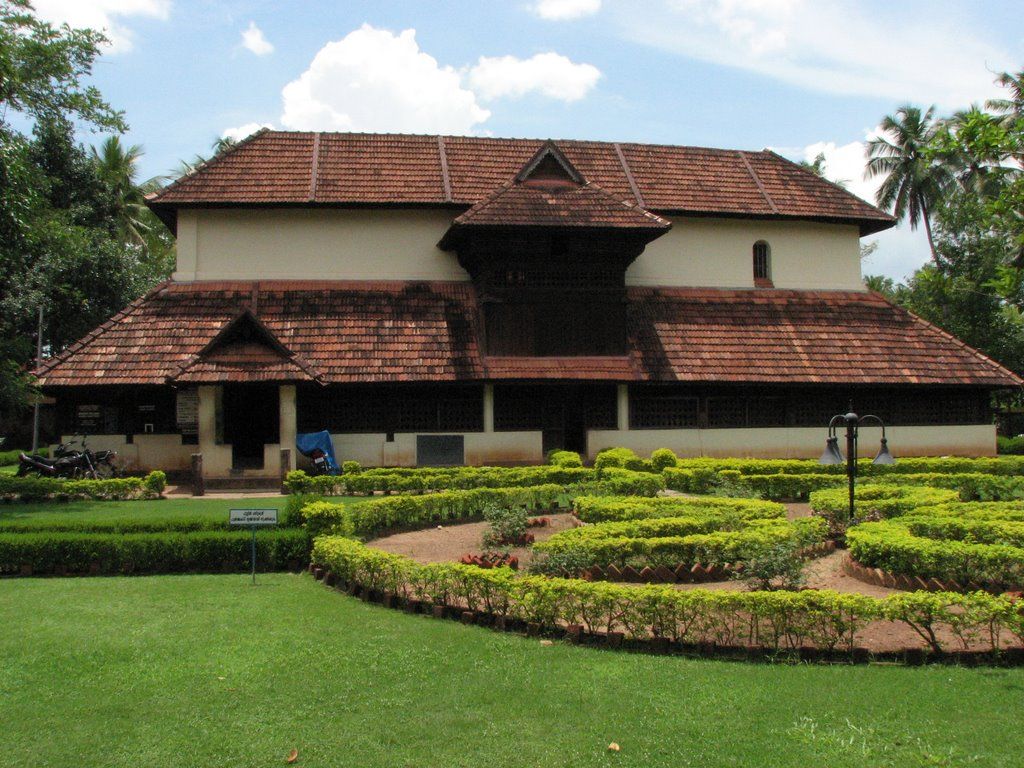
Koyikkal Palace – Folklore and Numismatics Museum
Koyikkal Palace, located at Nedumangad near Thiruvananthapuram, is one of Kerala’s fascinating historical landmarks. Built for Umayamma Rani of the Venad Royal Family between 1677 and 1684, this traditional palace offers visitors a glimpse into Kerala’s royal history, folk traditions, architecture and ancient trade relations.
Today, Koyikkal Palace is particularly famous for housing two important collections: the Folklore Museum and the Numismatics Museum. Together, these museums preserve an extraordinary collection of musical instruments, traditional household objects, folk-art models, manuscripts, ornaments and rare coins that reflect the cultural and economic history of Kerala.
A Glimpse into Kerala’s Royal History
Koyikkal Palace was constructed during the period of the Venad royal family and is associated with the history of the erstwhile royal traditions of southern Kerala. The palace was built for Umayamma Rani, one of the prominent women rulers associated with the Venad kingdom.
The palace is an excellent example of traditional Kerala architecture. Its two-storeyed structure, distinctive gabled roofs and traditional construction style make it architecturally different from many modern buildings in the region. The design reflects the practical and aesthetic principles of traditional Kerala palace architecture.
Walking through the palace provides an opportunity to appreciate how architecture, royal life, cultural traditions and everyday objects were closely connected in Kerala’s past.
Koyikkal Palace Folklore Museum
The Folklore Museum at Koyikkal Palace was established in 1992 with the objective of preserving and presenting Kerala’s rich folk traditions and cultural heritage. The museum contains an interesting collection of objects associated with the everyday life, performing arts and traditional customs of Kerala.
The collection includes a variety of traditional musical instruments, household utensils, folk-art models, ornaments, manuscripts and objects connected with the lifestyle of earlier generations.
For visitors interested in Kerala’s cultural heritage, the museum provides an opportunity to understand how music, storytelling, rituals, craftsmanship and domestic life developed over generations.
The Rare Chandravalayam
One of the most interesting exhibits at Koyikkal Palace is the Chandravalayam, a small traditional percussion instrument associated with the recitation of Ramakathappattu, the traditional ballad narrating the story of Lord Rama.
The instrument is particularly significant because of its connection with Kerala’s oral storytelling and musical traditions. Its presence in the museum provides visitors with an opportunity to learn about traditional performance practices that were once an important part of Kerala’s cultural life.
The museum also preserves old manuscripts, traditional ornaments and decorative objects associated with the erstwhile royal family. These artefacts provide valuable clues about the cultural practices, artistic traditions and lifestyle of an earlier period.
Koyikkal Palace Numismatics Museum
The Numismatics Museum at Koyikkal Palace is another major attraction. It houses an impressive collection of ancient and historic coins, providing valuable information about Kerala’s economic history and its connections with different parts of India and the wider world.
Coins are more than simply objects of monetary value. They can reveal information about the rulers, kingdoms, trade routes, political relationships and commercial activity of different historical periods. The collection at Koyikkal Palace therefore offers visitors an interesting way to explore Kerala’s history through its currency.
The museum contains several old Kerala coins, including Ottaputhen, Erattaputhen and Kaliyugarayan Panam. These coins represent different stages in the monetary history of the region.
Ancient Coins and International Trade
The collection also demonstrates the extensive trade connections that Kerala developed with different regions over the centuries. The state’s strategic location along the Arabian Sea helped it become an important centre of maritime trade.
The coin collection includes examples associated with different periods and regions, including Roman coins and coins belonging to various Indian dynasties. Such artefacts offer an insight into the commercial networks that connected Kerala with distant parts of the ancient world.
You can explore more about Kerala’s historical trade relations and its importance as a travel destination.
A Treasure Trove of Kerala’s Numismatic Heritage
Among the interesting objects displayed at the museum are Karsha coins, Rasi coins and coins associated with different historical kingdoms. The collection includes coins that help demonstrate the evolution of monetary systems over a long period.
The museum is particularly valuable for history enthusiasts, researchers and anyone interested in ancient commerce. Seeing coins from different periods together makes it easier to understand the changing political and economic landscape of Kerala and the Indian subcontinent.
According to the museum’s collection descriptions, visitors can also see rare coins and historical pieces associated with international trade. These exhibits help illustrate how Kerala was connected to wider commercial networks long before the modern era.
Koyikkal Palace Architecture
Even without its museum collections, Koyikkal Palace is worth visiting for its architectural character. The two-storeyed palace features traditional Kerala architectural elements and prominent gabled roofs.
The architecture reflects the region’s response to Kerala’s tropical climate, with design elements intended to provide ventilation, protection from rain and comfortable indoor spaces. The use of traditional architectural principles also gives the palace a distinctive visual identity.
For visitors interested in Kerala’s heritage architecture, Koyikkal Palace provides an opportunity to see a historic structure in its original cultural context.
Things to See at Koyikkal Palace
- Historic Koyikkal Palace: Explore the traditional two-storeyed palace associated with the Venad royal family.
- Folklore Museum: Discover traditional musical instruments, household objects, folk-art models and cultural artefacts.
- Chandravalayam: See the rare percussion instrument associated with Ramakathappattu.
- Ancient manuscripts: Explore historic manuscripts preserved as part of the museum’s cultural collection.
- Royal ornaments and decorative objects: View objects associated with the lifestyle of Kerala’s former royal households.
- Numismatics Museum: Explore a collection of ancient and historic coins.
- Kerala’s old coins: See examples such as Ottaputhen, Erattaputhen and Kaliyugarayan Panam.
- Roman and Indian coins: Discover evidence of historical trade and cultural connections.
Why Visit Koyikkal Palace?
Koyikkal Palace is an ideal destination for travellers who want to experience a different side of Kerala beyond its beaches, backwaters and hill stations. The palace brings together history, architecture, folklore, traditional art and numismatic heritage in one location.
It is especially interesting for history enthusiasts, students, photographers, researchers, culture lovers and travellers looking for heritage attractions near Thiruvananthapuram.
A visit to the palace can also be combined with a broader exploration of Nedumangad and other attractions in and around Thiruvananthapuram, making it a useful addition to a Kerala cultural tourism itinerary.
Koyikkal Palace Visiting Hours
Visiting Hours: 09:00 AM to 05:00 PM
Closed: Mondays
Visitors are advised to confirm the latest opening hours, entry arrangements and museum access before travelling, as timings and visitor regulations may change.
How to Reach Koyikkal Palace
By Railway
Nearest railway station: Thiruvananthapuram Central Railway Station, approximately 18 km away.
From the railway station, visitors can hire a taxi or use local transportation to reach Koyikkal Palace at Nedumangad.
By Air
Nearest airport: Trivandrum International Airport, approximately 24 km away. The airport provides convenient access for travellers arriving from other parts of India and international destinations.
Visitors looking for accommodation near the airport can explore our information about hotels near Trivandrum Airport.
Koyikkal Palace as a Kerala Heritage Destination
Kerala’s history is preserved not only in monuments and palaces but also through traditional instruments, manuscripts, coins, household objects and folk traditions. Koyikkal Palace brings many of these elements together under one roof.
The palace therefore offers more than a conventional sightseeing experience. It provides visitors with an opportunity to understand the cultural and historical development of southern Kerala through tangible artefacts and traditional architecture.
For travellers planning a cultural tour of Thiruvananthapuram, a visit to Koyikkal Palace can be combined with other heritage attractions in the region. Together, these destinations provide a broader picture of Kerala’s royal history, traditional architecture and cultural diversity.
Plan Your Visit to Koyikkal Palace
If you are interested in Kerala history, traditional architecture, ancient coins, folklore and royal heritage, Koyikkal Palace is a destination worth including in your itinerary. The combination of the historic palace, Folklore Museum and Numismatics Museum makes it one of the more distinctive heritage attractions in southern Kerala.
From the rare Chandravalayam and traditional musical instruments to ancient coins and royal artefacts, every collection tells a story about Kerala’s past. A visit to Koyikkal Palace is therefore an opportunity to step away from the usual tourist attractions and discover the cultural heritage that shaped the region.
Getting There
Nearest Railway Station: Thiruvananthapuram Central – approximately 18 km
Nearest Airport: Trivandrum International Airport – approximately 24 km